Data and Standards
On-surface discipline, purpose bound export, and an OEM controlled security posture.
Designed to minimize exposure by default and integrate cleanly into existing host security and governance frameworks.

On-surface discipline, purpose bound export, and an OEM controlled security posture.
Designed to minimize exposure by default and integrate cleanly into existing host security and governance frameworks.
Principles
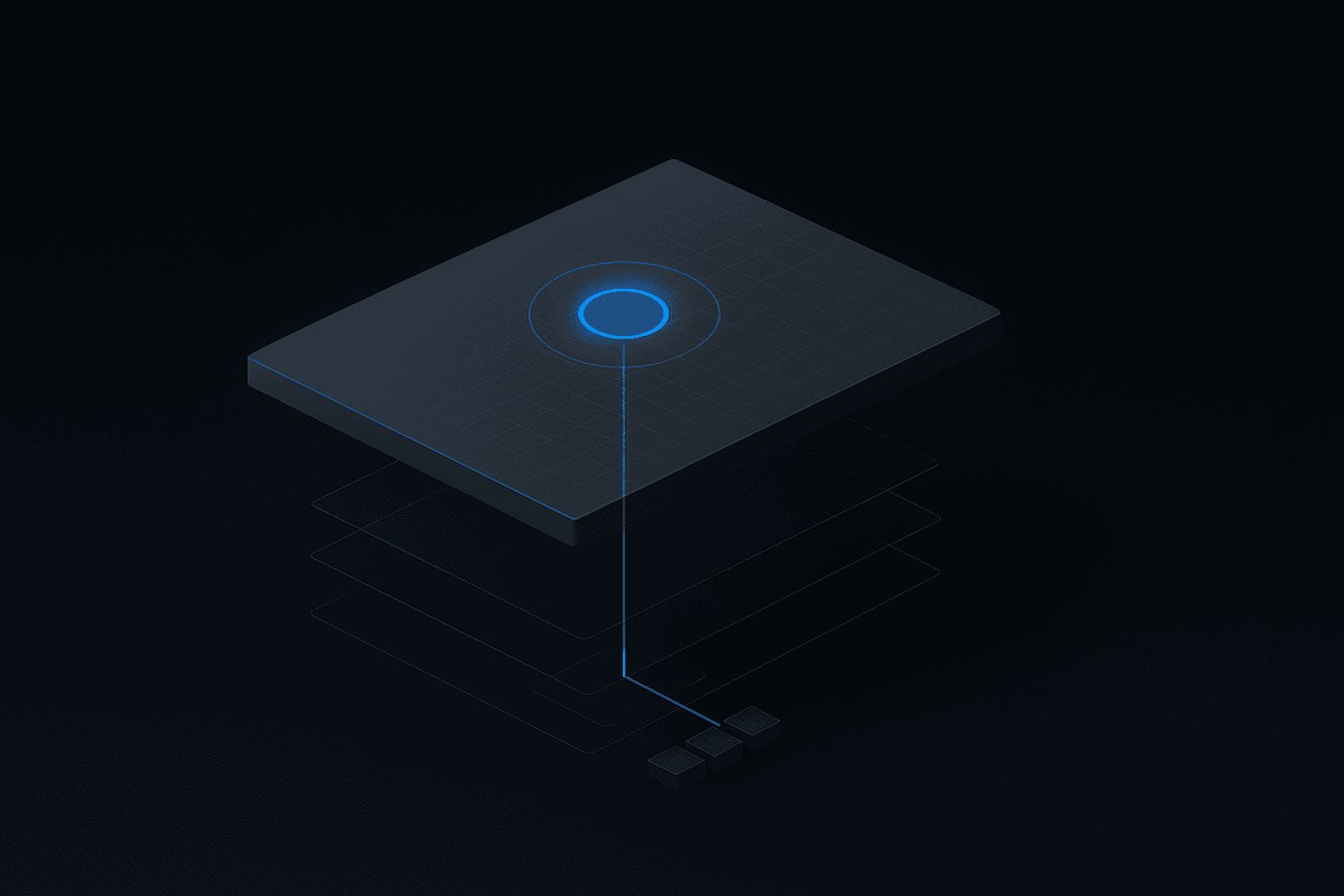
Physiological capture and screening occur only at the region of contact, where usable signal exists.
Data becomes eligible for export when stability and signal suitability meet policy defined conditions.
Outputs are purpose bound and minimized by default, so downstream systems receive only what they need for the intended function.
Access, retention, and usage posture are governed by the OEM host and aligned to enterprise privacy and governance requirements.
Signal quality
TCS evaluates stability and suitability in real time. Segments that meet configured eligibility conditions pass the gate and stream to the host..
Data, privacy, and security
OEM controlled access and protection posture.
Configurable retention and integration controls.
Standards and interoperability
TCS is designed to integrate through standard host interfaces and established enterprise governance patterns. Transport and schema choices are integration specific and selected with OEM requirements.
Host interfaces: Standard input class integration patterns appropriate for the platform.
Governance surfaces: Exposure through host policy and device management conventions.
Data envelope posture: Purpose bound, minimal metadata, policy-controlled access.
Power and thermal
TCS supports integration patterns that keep operation efficient during contact, with policy-controlled pacing and eligibility gating so OEMs can meet platform power and thermal constraints.
Numeric budgets are integration specific and handled under NDA.
Selected insights from TCS architectural whitepapers.

Access in-depth technical insights and research findings.