
Touchable® Cardiovascular Surfaces.
A spatially intelligent physiological sensing architecture that activates with contact and continuously streams signals during touch.
EP, GB, IE and CN granted | HK and US progressing
View PatentsReal-world assessments of a TCS-enabled device in home and public settings
View ValidationContinuous, quality-gated measurements from TCS-enabled devices in everyday use.
View StandardsSurface-level sensing, system-level design
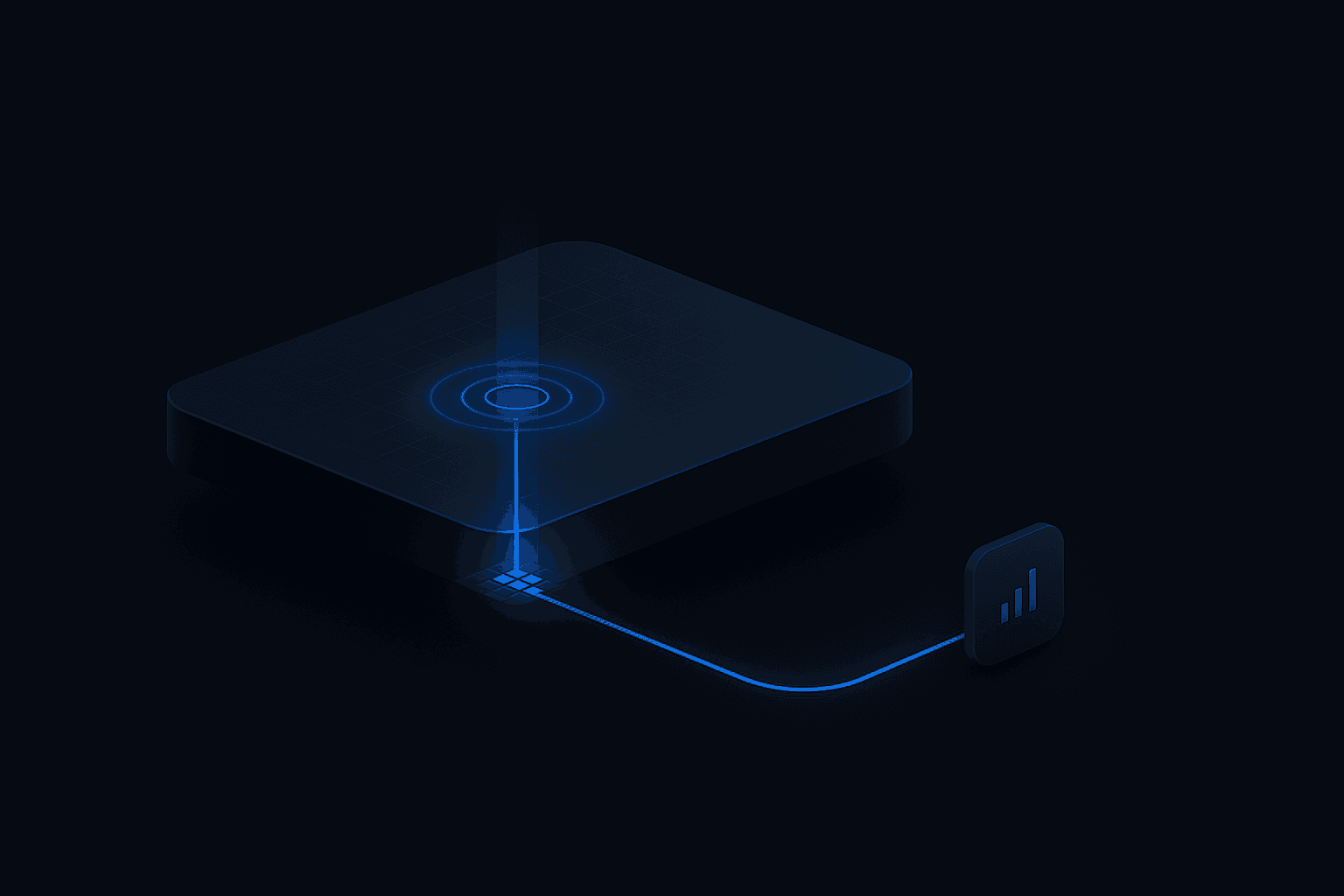
Touchable Cardiovascular Surfaces (TCS) brings physiological intelligence into the surface layer of everyday products. On contact, a spatially selective photonic grid acquires morphology-faithful PPG at the region of interest and evaluates signal quality in real time. The result is a quiet, contact-activated surface that preserves the familiar user experience while providing systems with a disciplined physiological data channel.
Ecosystem Support
Selected innovation networks that have supported our work on surface-level physiological sensing.










Applications Across Industries

Notebook trackpad
Surface-level sensing embedded within the touch panel architecture, enabling contact-activated measurement at the region of interest.

Notebook palmrest
A contact-activated sensing layer aligned with natural rest positions, providing continuous physiological measurement only during touch.

Industrial handhelds
Grip-zone sensing that maintains stable physiological measurement in dynamic-use environments and motion-heavy workflows.

Automotive interfaces
Contact-activated physiological sensing integrated at the human-vehicle interface to support continuous measurement during touch.
This section is descriptive and does not define patent claim scope.
TCS is a product agnostic surface level physiological sensing architecture. These surfaces represent four primary integration pathways.
Technical insights
Selected insights from TCS architectural whitepapers.
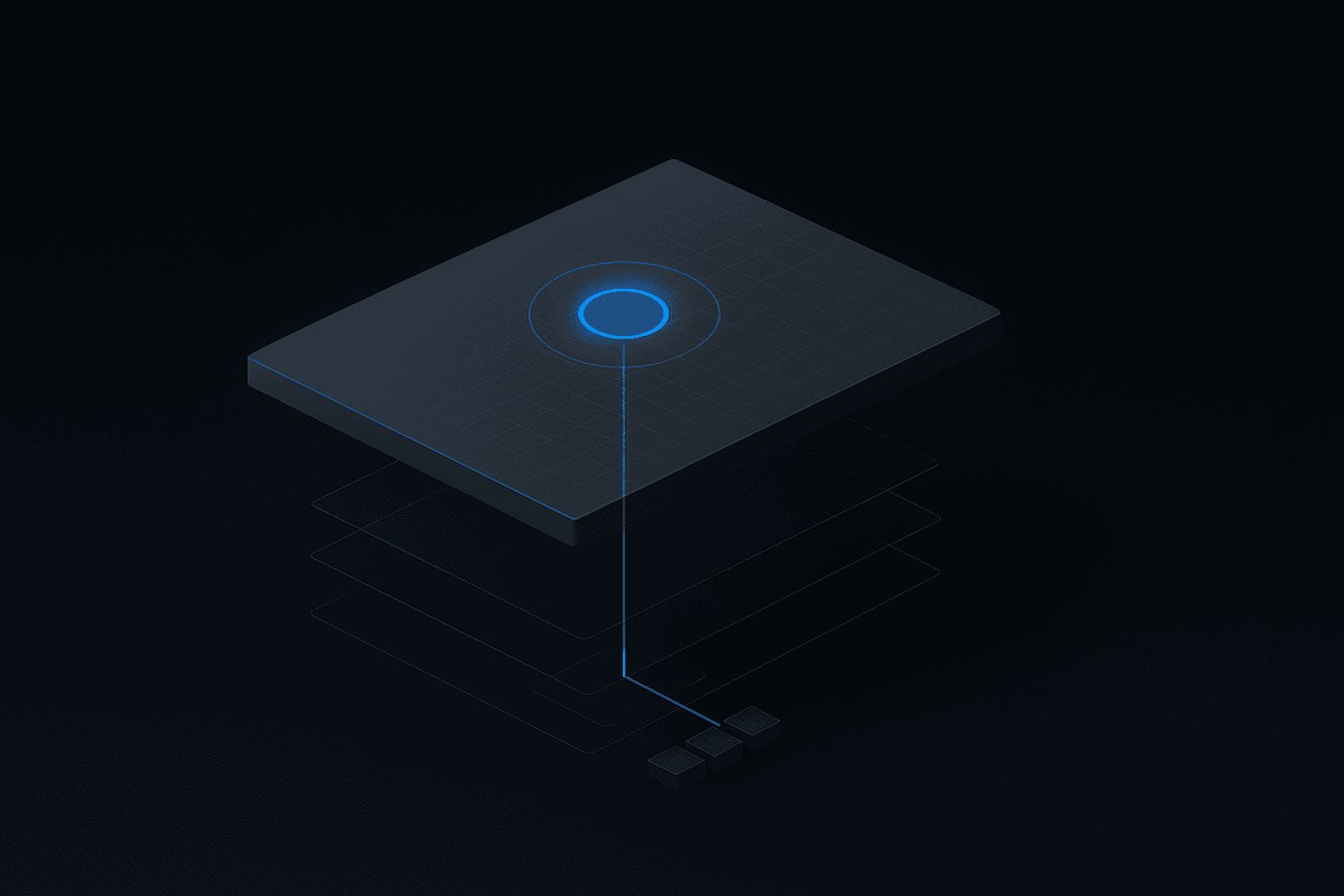
Architectural Foundations of Touchable® Cardiovascular Surfaces

System Composition of Touchable® Cardiovascular Surfaces
Access in-depth technical insights and research findings.